Bookings & Distribution

How Hotels Use Social Media to Drive Bookings: A 2026 Tactical Guide

Akif Aliyev
Akif Aliyev
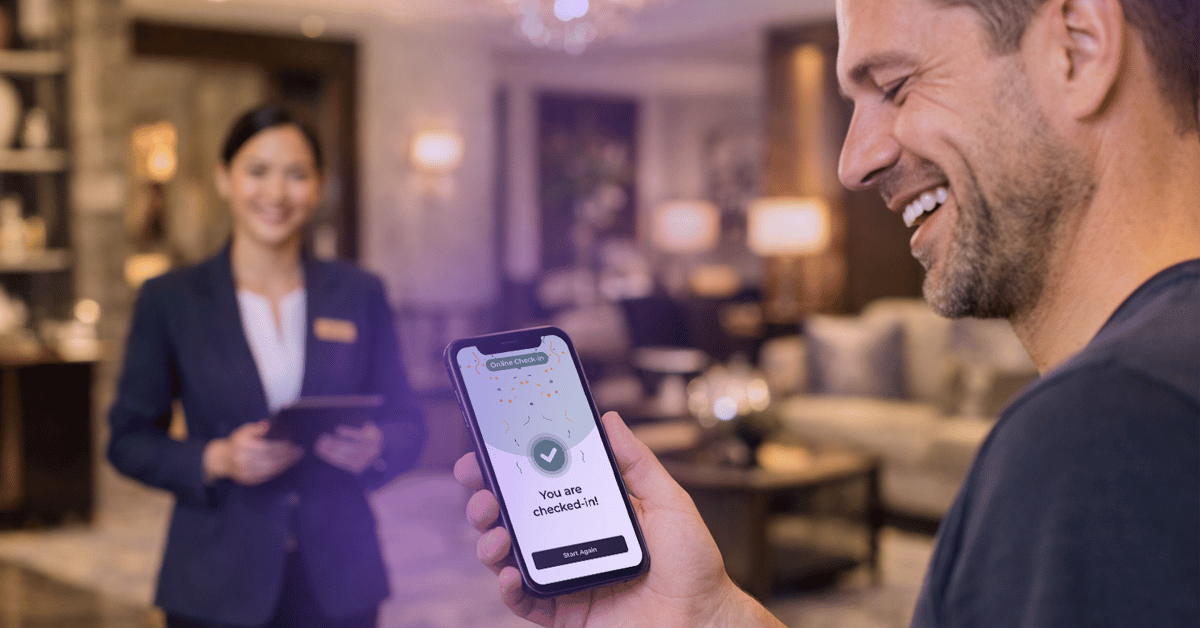
A POV of an individual booking a hotel stay through social media.

More than just flashy accounts boasting tons of followers, understanding how hotels use social media to drive bookings is crucial for optimising online conversions. For the independent hotelier, this is often a struggle of resources; balancing hotel operations, staff retention, and online presence that competes with global brand budgets.

This tactical guide will provide you with an evidence based social media strategy for hotels; aimed at turning your platforms into high performance booking funnels whilst on a budget. We will walk you through the technical steps of social marketing, teach you trend watching, UGC, and guest data unmasking to make sure your hotel practices future forward marketing.

Ready to maximise your direct bookings? Noovy’s cloud-based booking engine is designed to prioritise direct bookings, bypassing OTA commissions and unmasking guest data before they ever arrive in your lobby. Book a free demo today!

Table of Contents

Why is Social Media Important for Hotels?

Digital presence in today's hospitality landscape is non-negotiable. There are over 4.8 billion social media users worldwide (Search Engine Journal, 2023), accounting for over half of the world population! Hotels that don't exist online, hardly exist in real life.

Social media for hotels provides a level playing field to showcase authenticity and personalised service that large chains often struggle to replicate. It also acts as the very first touchpoint in the guest journey; a sort of digital lobby for hotels where the property, its amenities, and ambiance can be visually validated.

The main goal of social media marketing for hotels is to move viewers from discovery to reservation. This requires hotels to use the full extent of benefits these social platforms have; from acting as billboards to transactional gateways.

By also integrating a modern direct booking engine into the mix, hotels can streamline a frictionless booking and drastically reduce abandonment rates.

Pro Tip: Social Channel Audit

Go to your hotel’s Instagram profile right now. If a guest has to click more than twice to see a room price, you are losing up to 30% of your potential direct revenue to OTAs or competitor sites.


The ROI of Social Media: Reclaiming Your Margin

A funnel diagram illustrating a hotels social media to guest booking process.

The greatest problem social media management for hotels can solve is over reliance on high commission intermediaries such as Booking.com. For every guest who discovers your hotel on social media, but books from an OTA instead, your hotel loses up to 25% in commission.

When it comes to OTAs versus direct bookings, social media is your first line of defence to protect your revenue. With a social media strategy that is reliable, content diverse, and geared for conversion, hotels can create a commission free distribution funnel to direct bookers to their own website.

Beyond financial gain, social media also allows hotels to activate guest data. When a guest books directly via your hotel channels, you capture their real email address before any OTA can mask it behind an encrypted email. This allows hotels to personalise the guest experience journey before they even arrive in your lobby.

Pro Tip: Social Media Checklist

  • Set up promo codes (e.g., INSTA10) to track conversion origins.

  • Compare the OTA vs Direct profitability for your top three room types.

  • Enable "Shop" features on Meta to tag specific room categories in your posts.

Instagram: Turning Reels into Reservations

A checklist of the top three Instagram functions for successful social media hotel marketing.

Instagram is one of the most powerful visual discovery engines in the world, boasting over 2 billion users (Statista, 2025). By design, Instagram hotel marketing allows the chance to showcase services to the entire world, with Instagram directly driving up to 37% of travel inspiration in North America alone (b Magazine, 2024).

However, a beautiful feed is useless if not designed to convert viewers into customers. To master how hotels use social media to drive bookings on Instagram, we need to understand the one-click philosophy that drives success on the platform.

Here’s an example workflow to turn your Instagram to a well performing booking funnel:

  1. Optimise the Bio: Use an intermediary link manager tool like Linktree or place your website URL directly in your biography. Don't just link to your homepage but rather to your Book Now page. That way, viewers are always one click away from a booking.
  2. Story Highlights: Create a highlight specifically for "Rooms & Rates." Every story in this highlight should have a link sticker that leads directly to your inventory calendar.
  3. Direct Booking Perks: Use your captions to highlight why booking via the link in your bio is better (e.g., "Free breakfast only for our Instagram community").
  4. Tag Your Rooms: Use Instagram’s product tagging feature to tag "Room Types" in your photos, linking them directly to your booking engine.

Pro Tip: Authentic Always Wins

Avoid over edited videos. A raw, 15-second smartphone walkthrough of a newly cleaned suite, showcasing the "turnover time" and attention to detail, often converts at a 2x higher rate than professional brand films.


TikTok: Viral Trends and Social Proof

Two girls interacting with a viral hotel post on Instagram.

TikTok revolutionised how travellers research trips and make bookings. In fact, the app partnered with Booking.com to allow users to book stays directly in-app, despite growing discontent towards OTA bookings amongst independent hoteliers (Journey, 2025).

TikTok features full hotel landing pages; complete with photos, room types, rates, and even videos tagged to the property. Users can compare room prices and book seamlessly without leaving TikTok. So how can hotels use TikTok hotel marketing to their advantage?

Viral trends and user generated content (UGC). The logic is simple; people trust people that they know and admire. From celebrities to family friends, 79% of users say that UGC influences their hotel choices more than official advertisements do (Hoopla, 2024).

To help you capture and maximise social proof for your hotel, here’s our suggested TikTok workflow geared for conversions:

  • Enhance Hotel Aesthetics: Everybody loves a good photo op! By creating photo worthy environments in your hotel lobby and amenities, you maximise the chance of guests creating social media content on your behalf and tagging the property.
  • Include CTAs: Make it clear and known that your hotel invites and encourages user generated content. By including a call to action in your digital check-in or post-stay emails, guests are motivated to create social content for your hotel.
  • Create Partnerships: Do you know some online influencers that you like? Better yet, has one booked a stay in your hotel? Then this can be a great opportunity for a small business partnership. Offer a discount package in return for social media content.
  • Activate Guest Data: By using personalised guest data to identify those with high social followings or useful networks, you can offer guests a small perk or compensation (such as a free breakfast) in exchange for social content.

Ultimately, social proof reduces booking friction by creating trust. When a potential guest sees a real person they trust enjoying your breakfast or spa, the psychological barrier to booking decreases dramatically.

TikTok trends move fast, so your goal is to be reactive and human, not corporate.

Facebook: Meta Pixel & Targeted Ads

While Instagram is a great tool for discovery, Facebook remains a technical magnet for direct bookings, particularly amongst older demographics and local market stays. The key to using Facebook to drive bookings is the integration of the Meta Pixel in your Facebook hotel marketing strategy.

What is Meta Pixel?

Meta Pixel is a JavaScript code snippet that's placed on a hotel's website. It's used to track user actions, such as viewing rooms or initiating bookings, after interacting with Facebook or Instagram ads.

It's essential for hotels because it enables targeted advertisements, optimises ad spend for direct bookings, and measures return on investment (ROI) in real time.

Here’s our three step workflow so that you can set up Meta Pixel for your own hotel website and gain real time access into user behaviour and social media ROI:

  • Installation and Tracking: Place the Meta Pixel code on your booking engine’s "Thank You" or "Confirmation" page. This allows you to track exactly which Facebook users completed a booking after seeing an ad.
  • Tracking: By observing booking patterns, you can identify which users did not finish the transaction after visiting your booking engine, and at which point they dropped off. This helps you identify areas for improvement in your website.
  • Retargeting: Create a retargeting campaign for people who visited your booking engine but didn't finish the transaction. Offer them a one-time booking discount, or complimentary upgrades to return and complete their booking.

Website: Maximising Direct Bookings

Your website is an important component of your social channel strategy. A common mistake independent hoteliers make is sending high-intent social traffic to a slow, clunky website. In fact, Google research shows that up to 53% of internet users abandon websites if the loading time is more than three seconds (Google, 2026).

Here are some key tips to make sure your hotel website marketing is tailored to support your social to web conversion funnel in the best way possible:

  • Mobile Friendly Design: Make sure that your booking engine loads quickly, is easy to navigate, and fully responsive. Social users are 99% mobile (Indectron, 2024).
  • Landing Page Optimisation: If you make a social post mentioning a deal at your hotel, make sure the link from that social post leads directly to that specific promotion, not your standard home page. By optimising the guest journey for the least amount of friction, you increase your chances of direct bookings.
  • Clear CTA: Social media is a fast paced environment, and your website is no different. That’s why you should make sure your “Book Now" button is persistent and visible at all times on both mobile and desktop.

What Other Social Channels Matter for Hotels?

While Meta and TikTok dominate the social platform scene, independent hotels should not ignore niche or unconventional channels that can help drive high-intent traffic. Some of these you may have heard of, others might be a first:

  • Google Hotels & SEO: Google is increasingly treating social signals as ranking factors. Ensuring your "My Business" profile is updated with the same high-quality visual content as your Instagram helps you capture traffic via Google Hotels. Make sure your website is SEO optimised to rank for important hospitality keywords.
  • YouTube Shorts: YouTube is the second largest search engine in the world, with 2.7 billion active users (World Population Review, 2025). Re-purposing your Instagram Reels as YouTube Shorts is a low cost, minimal effort way to maximise your social reach and capture global audiences.
  • Email Newsletter: Perhaps the most cost effective social channel any hotel has is email marketing for hotels. By targeting your customer base with a post-stay newsletter, you can target promotions to create returning guests and deeper loyalty.

Hotel Social Media: Wrap-Up

Mastering how hotels use social media to drive bookings is one of the most effective methods for independent hotels to reclaim their profit margins in 2026. By moving away from passive posting and embracing a tactical, workflow-driven approach, you turn your followers into your most profitable guest segment.

To summarise, your tactical steps for well functioning hotel social media are to:

  1. Centralise your booking links to reduce friction.
  2. Activate guest data by offering perks and promotions for direct bookings.
  3. Automate the capture of social proof and status via guest led UGC.
  4. Integrate your booking engine directly into your social channels.

By following these steps, your hotel can enjoy a steady stream of social media driven leads that convert by booking directly from your hotel website. No commissions, no masked guest details!

Why Noovy?

A chart comparing standard OTA hotel bookings, to bookings done through the Noovy booking engine.

We recognise that the modern hotelier is already over-extended and under-paid. GMs don't have time to manually track every Instagram DM or manage complex ad pixels. That is why Noovy’s Social Integrated Booking Engine is designed to do the heavy lifting for your hotel social media strategy.

Our state of the art technology provides:

  • Full Social Integration: Noovy facilitates a direct booking experience that integrates with Facebook, Instagram and other social channel CTA functions, allowing guests the opportunity to book a stay directly in app.
  • One Click Booking: Unlike standard engines that redirect guests to a clunky third-party site, Noovy maintains the visual branding of your hotel, significantly reducing mobile abandonment whilst protecting your hotels visual identity.
  • Automated Messaging: Our virtual concierge handles up to 90% of pre and post arrival communication with your customers, moving guests from the OTA bucket into your own CRM. This ensures that their next booking will be driven by your social strategy, not an expensive third party ad.

Ready to see how Noovy can upgrade your social booking funnel for success? Book a free demo with one of our experts today!

Frequently Asked Questions

Can social media replace my dependence on OTAs?

Hotel social media marketing cannot entirely replace OTAs, but it serves as a powerful direct-channel supplement that allows you to capture guests via the "Billboard Effect." By leveraging your social platforms, you can redirect third-party traffic to your own booking engine, retaining more profit and owning the guest data.

How can I track if my social media posts are generating direct bookings?

To track social media ROI effectively, you must use UTM parameters on your profile links and offer unique, platform-specific promo codes. By appending a UTM tag to your "Link in Bio," your Noovy booking engine analytics can identify exactly which platform (e.g., Instagram vs. TikTok) the guest originated from.

Should I focus on organic social media growth or paid Meta ads?

A balanced hotel social media marketing strategy uses organic social media for long-term loyalty and guest engagement, while utilising targeted Meta Ads for immediate inventory needs. Use organic posts to keep your current community warm and paid ads to capture new, high-intent traffic during your low-occupancy periods.

What is the most common mistake hotels make on social media?

The most common mistake is failing to provide a direct, mobile-optimised path to the booking engine. If a guest has to navigate your entire website to find a price after clicking a social link, they will likely return to an OTA for convenience.

Share this post