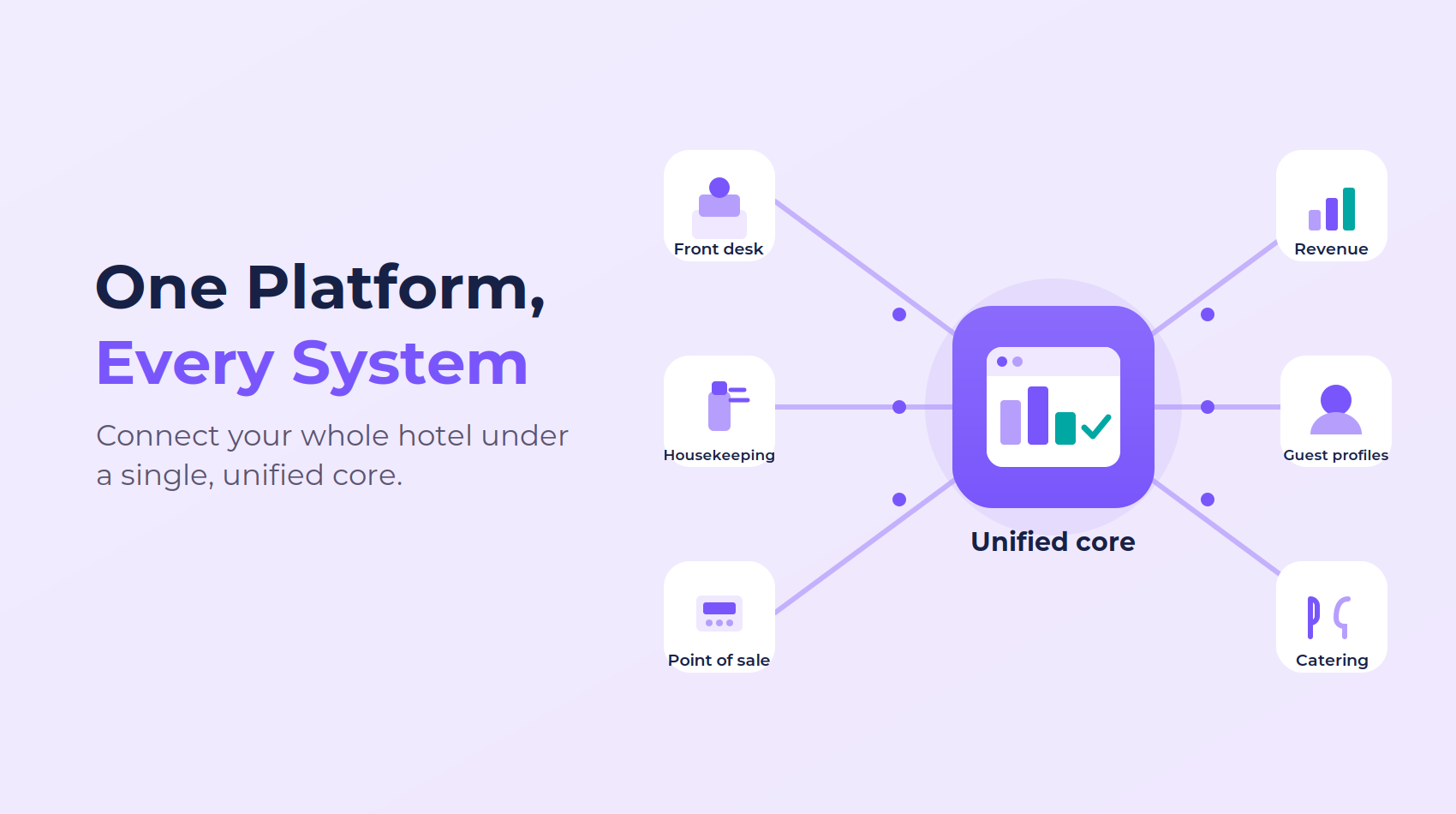
An integrated hotel software system is the backbone of any successful independent hotel. Designed to empower teams with guardrails such as task management, data centralisation, and labour automation, hotel software systems link tools together to create a unified core.
With rising tourism and demands for frictionless hospitality, independent hotels can no longer afford to be held back by fragmented hotel systems. When hotel staff play the role of a human bridge between software, operations slow down, mistakes happen, and the guest experience suffers.
This ultimate guide is designed as a walkthrough of the steps needed to shift from fragmented single-purpose tools, towards an optimal hospitality tech stack that works together to improve your services and revenue.
Ready to level up your hotel operations? Book a free demo with a Noovy expert today to explore our unified hotelier management tech stack!
Table of Contents
What is an Integrated Hotel Software System?
An integrated hotel software system functions as a centralised digital hub for managing a hotel operation. Instead of single, isolated applications for bookings, housekeeping, guest communication and payments, an integrated hotel management system unifies these tools, so that they share data and work automatically behind the scenes.
This huge advantage helps free up countless hours of labour and revenue, while simultaneously eliminating the risk of human error and miscommunication. In fact, a study on 20 small to mid sized independent hotels showed that a staggering 10,000 labour hours were saved in just 3 months of adopting an integrated hotel management system (Hotel Effectiveness, 2022).
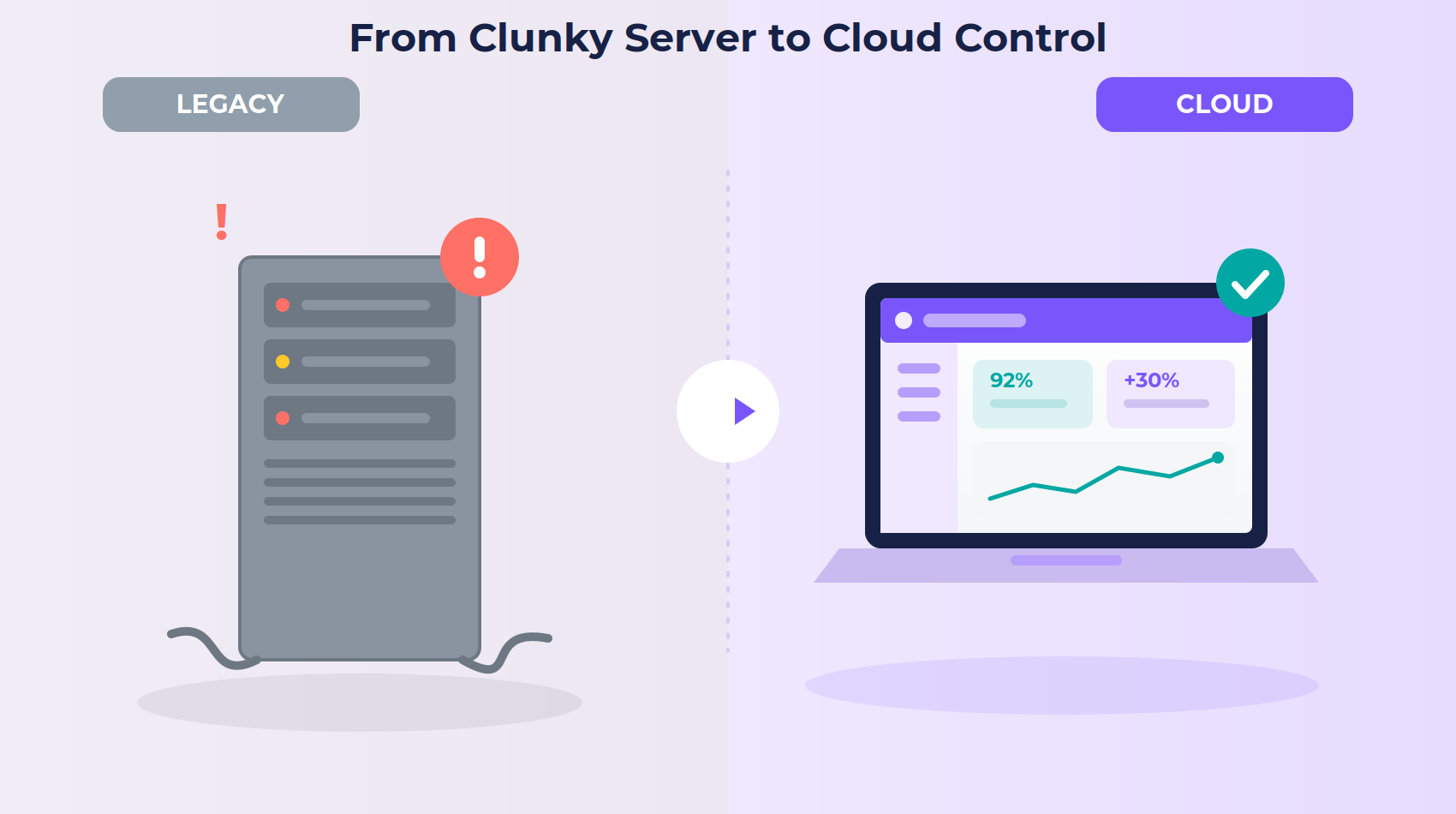
To understand why connectivity matters, look at a traditional legacy hospitality system. These older platforms are built on closed architectures designed to keep data in their own software. If a hotel wants to connect a third-party guest app, they’ll often face expensive development fees, complex installations, and monthly support charges.
Cloud-based hotel software systems on the other hand use open architectures, allowing for seamless inter-departmental communication and data centralisation. For example, if a guest checks-in using a self-service kiosk, the integrated system pushes this update across the entire hotel ecosystem instantly:
- Task Manager: Preemptively schedules room cleaning and additional services where necessary, eliminating the need for manual front desk organisation.
- CRM: Instantly creates a guest profile with the check-in details, informing the entire hotel on basics such as stay duration, room preferences, and more.
- Channel Manager: Booked rooms are automatically removed across OTA calendars and booking engines to make sure inventory is always up to date and accurate.
A continuous data flow throughout the entire hotel ensures that all departments stay aligned without requiring manual updates or constant phone calls.
The Advantages of Modern PMS Integration
For independent hotels with small teams, PMS integration is a huge advantage. It removes the need for dedicated IT support, does not require a huge budget to set up, and the financial benefits offset the cost in under 3 months (Hotel Tech Report, 2026).
Investing in a hotel pms integration helps businesses scale by resolving key pain points:
- Reducing Manual Work: Manual data entry is responsible for up to 50% of staff working hours and frequently introduces human errors (VAO, 2025). Automated data ensures that collecting guest profiles, billing, and room status needs no human intervention, and matches perfectly across every department.
- Optimising Staff Efficiency: When hotel software handles routine administrative tasks, teams spend less time looking at computers and more time focusing directly on their guests. This helps to reduce workplace stress and improve staff retention.
- Lowering Total Costs: Closed legacy systems charge high connectivity fees for every tool. Modern cloud systems use open APIs to link operational applications without expensive custom programming or high upkeep costs. With a cloud-based system, hotels can reduce IT related costs by up to 50% (Hospitality Tech, 2025).
- Unifying Operations: Hotel system integration unifies your front line, back-of-house, and accounting dashboards into one place. This shared visibility helps your property run as a coordinated business rather than a collection of separate departments.
The Journey of a Connected Booking
To see how integrated hotel management platforms improve daily workflows, let’s follow the journey of a single guest reservation from booking to check-out:
Booking Phase: Booking Engine & Pre-Arrival Marketing
Hotel management software for small hotels begins helping far before a guest enters your lobby. When a guest books a stay through your website:
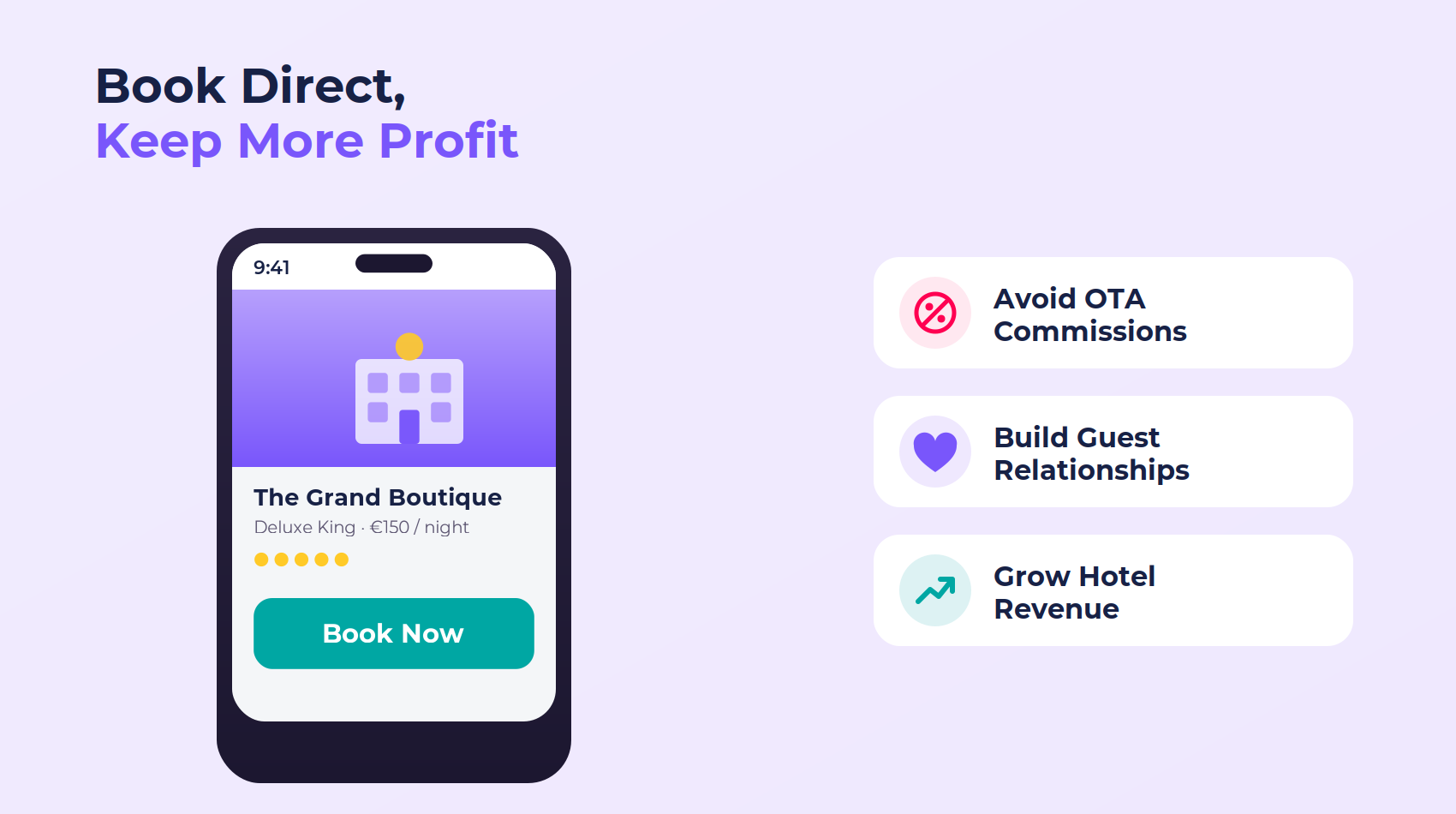
- Channel Manager: Room availability is automatically updated across all active online channels and booking platforms, preventing accidental over-bookings and helping avoid costly OTA commission fees.
- CRM: Simultaneously, the system creates a secure guest profile and flags the room requirement directly on your housekeeping team's mobile dashboard.
- Task Manager: Before the guest arrives, the hotel task manager schedules a preemptive cleaning and a room check shift to make sure everything is ready.
Arrival Phase: Self-Service Check-In
Instead of making the guest wait in a slow-moving lobby while the front desk types out information, integrated hotel check in system software handles the process seamlessly:
- Check-In Kiosk: A self service kiosk allows guests to verify their own check-in and secure payments within seconds, instead of spending a tiresome arrival in the lobby. It also offers targeted upgrades to capture high value revenue.
- Digital Keys: The kiosk can then dispense a personal keycard, or the PMS can generate an encrypted room code and send it to the guest's mobile automatically.
- CRM: Upon check-in, the guest relationship management system updates their profile with their room details, upsells, and preferences, so that all hotel departments can focus on creating a personalised guest experience.
This allows front desk teams to focus on welcoming guests, sharing recommendations, and setting a positive tone, while the hospitality software manages administrative work.
Departure Phase: Check-Out and Post-Stay Marketing
In traditional hotels, a guest check-out is where the journey ends. With an integrated hotel software system, the departure is only the start of the marketing journey:
- Guest Communication Platform: Coordinating with details from the PMS and CRM, the guest communication platform can schedule targeted marketing based on a guests personal preferences. This helps increase the likelihood of a return guest.
Tech Audit for Hotel Management Systems
To move away from fragmented hotel workflows, it helps to first identify which avenues of hotel operation need the most help. A quick audit of the current hotel management software systems across five key checkpoints can help with this:
- Operations: Does your staff have to manually copy reservation details, guest notes, or billing charges from one software screen to another?
- Data Tracking: Does your staff have to manually copy reservation details, guest notes, or billing charges from one software screen to another?
- Connectivity Charges: Are your current hospitality software vendors charging you hidden monthly connectivity fees or high setup costs just to link a new guest tool or point-of-sale terminal?
- Live Department Updates: Can your front desk team see exactly which rooms are clean, inspected, or undergoing maintenance in real time without calling your floor supervisors?
- Direct Distribution Speed: When you adjust your room rates or close out inventory on your main dashboard, does that information update on your website and OTA channels instantly?
By identifying where data flows are interrupted or require manual effort, hotels can pinpoint what needs improving. Modern property management system integration removes hidden operational bottlenecks and gives teams a unified view of daily tasks.
Integrated Hotel Software Systems: Wrap-Up
Running a successful independent hotel requires a modern operational framework as a backbone. Trying to manage a business using disconnected hospitality software creates unnecessary stress for teams and leads to inconsistent experiences for guests.
Upgrading to an integrated cloud-based ecosystem removes administrative friction, lowers your operational costs, and gives your staff the tools they need to provide excellent guest service.
Why Noovy?
Noovy is built from the ground up to serve as the flexible, easy-to-use foundation for your hospitality technology. By replacing complicated legacy architectures with a clean, connected cloud design, Noovy coordinates your property management, live housekeeping updates, guest communication, and billing into a single dashboard.
Our open platform lets you connect your favorite hospitality applications without complex code or high integration fees, allowing your team to stop managing software and focus on what matters most: taking care of your guests.
Ready to take your hotel operations to the next level? Book a free, personalised demo with a Noovy expert today, and get acquainted with the future of hospitality!
Frequently Asked Questions